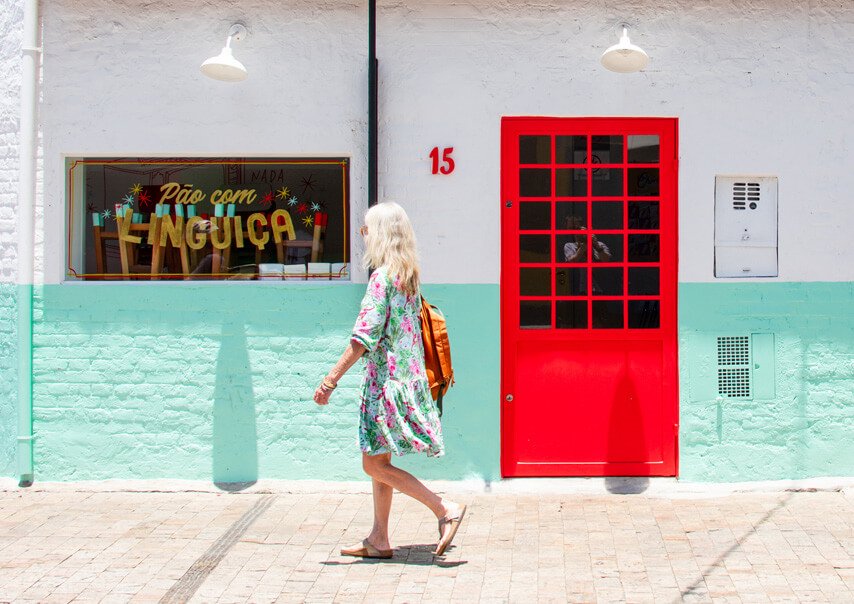
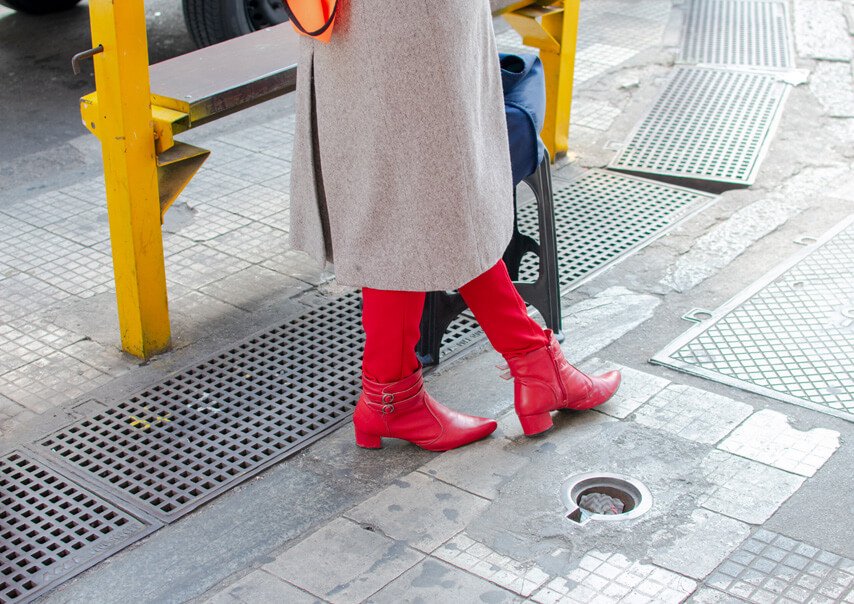
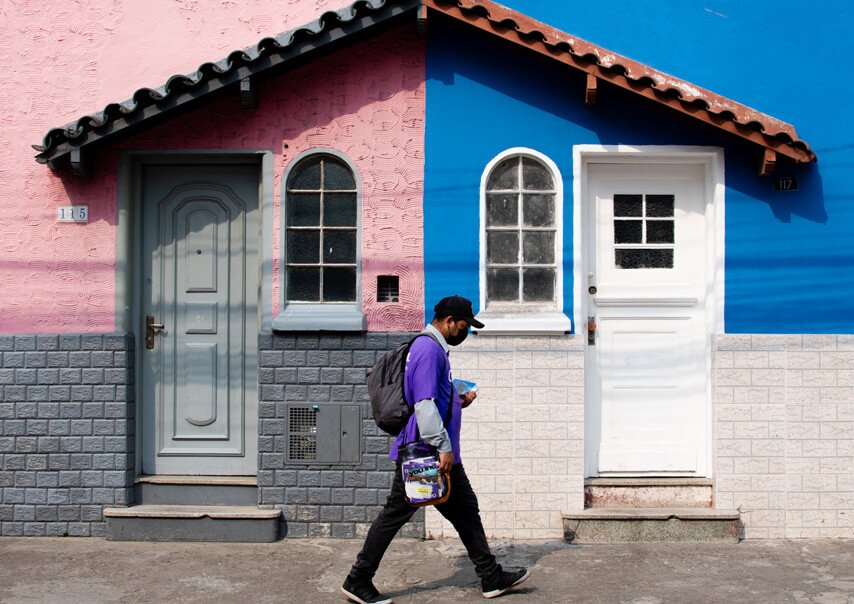
Street photography has no rules. Anyone who says they have it probably wants to make you believe that it retains hidden knowledge and has developed a specific technique that only he or she (in general, he) is capable of transmitting.
All you need to do street photography is the ability to move in some way, from living senses and an unbrutted sensitivity, not walled by the horrors of everyday life. If you put the camera for a walk with a certain frequency, keeping the spirit open and receptive – but alert, because Brazilian cities do not give up and do not tolerate vacilão – to objects and people, shapes and colors, eventually, interesting images will spring up.
Intuition, in my view, also plays an important role, but it needs to be first built and then stimulated. In order for it to be built, a whole persistent practice, an almost obsessive exercise, a kind of liturgical prayer to the streets is essential. Then there is a certain “stretching” of intuition, to prevent the specific nerves and muscles of the body associated with it from stiffening and locking, especially due to the so-called “destroying activities of the soul”, such as the Italian writer Primo Levi referred to Gross toil, to the breadwinner, as opposed to the practice of literature.
With the daily exercise of photography through the aimless exits, the purposeless walks, the affirmation – why not? – From dilettantism, these nerves soften and the muscles become flexible. Gradually, we become more exposed to scenes that once seemed irrelevant and banal, to fragments of life that once seemed bland. Eventually, scenes and fragments jump to the eyes and shine, making us dizzy and happy – so happy. But that feeling goes by fast…
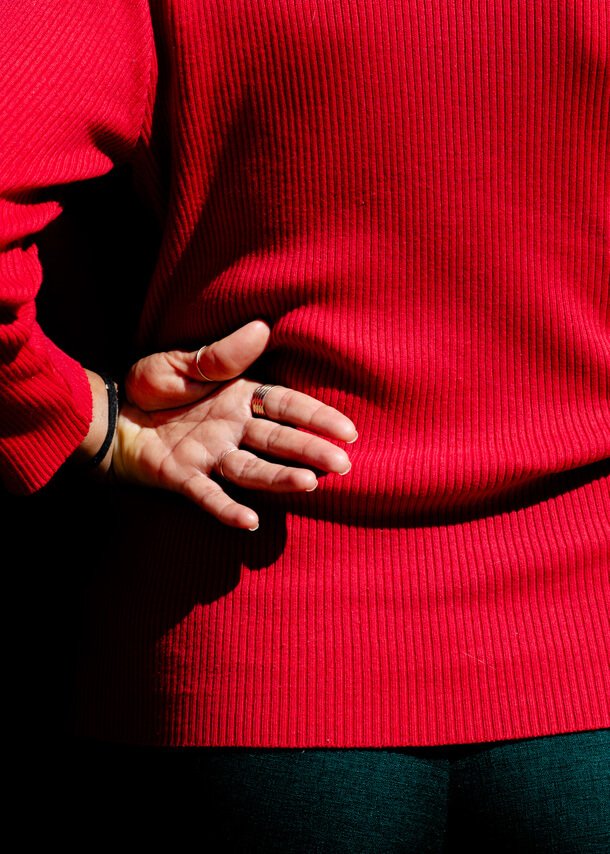
However, we repeat and insist, as addicts. And it is from this insistence that styles are developed. There are no rules, I repeat, for a correct, efficient, interesting or beautiful approach that leads to a style. This results from this “useless” work, of elaborations and reflections, from a “gymnastics” of the senses and sensitivity. There are styles in which a passion is evident; there are others in which some dereliction is noticed; There are still those who present themselves even a certain rationalized imperfection. Some photographers use the crooked and the crude as a composition tool, others manage to be surprising under any circumstances, others are still excessively systematic, take it to the image and, with the least, do the most.
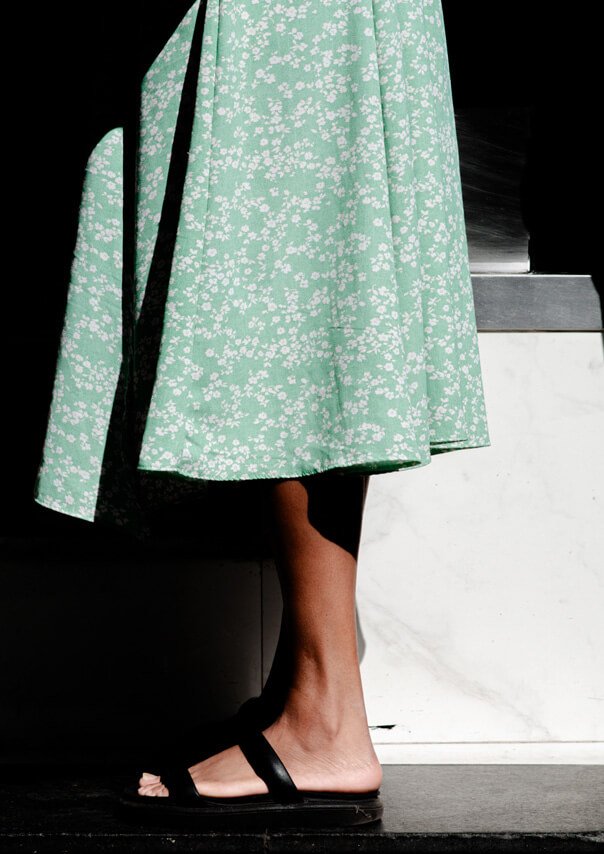
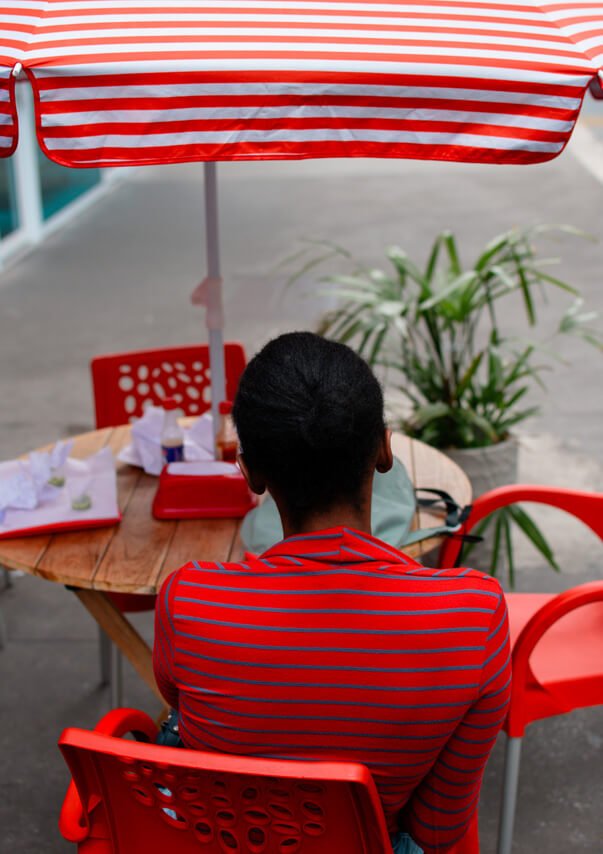
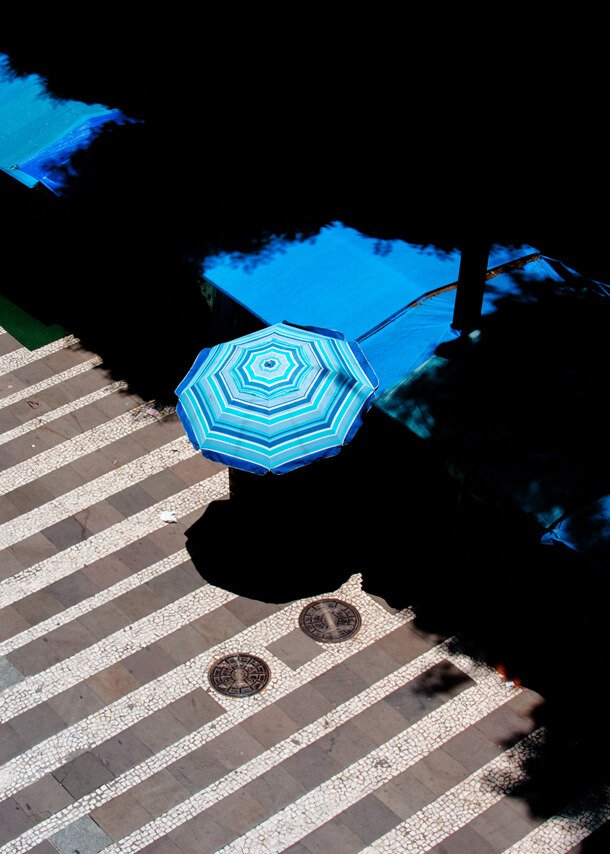
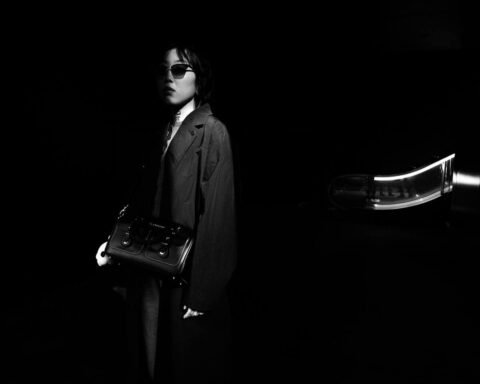
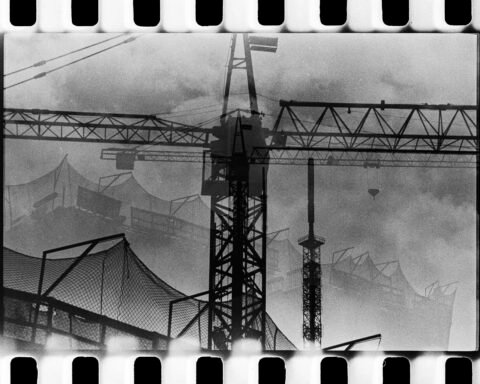
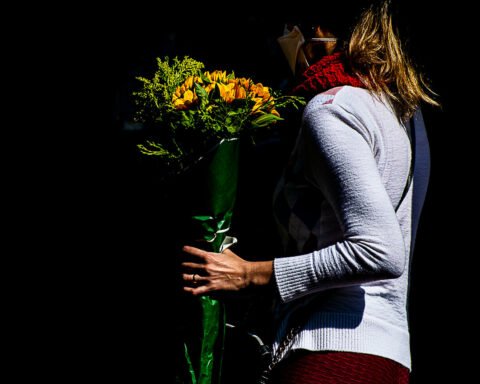
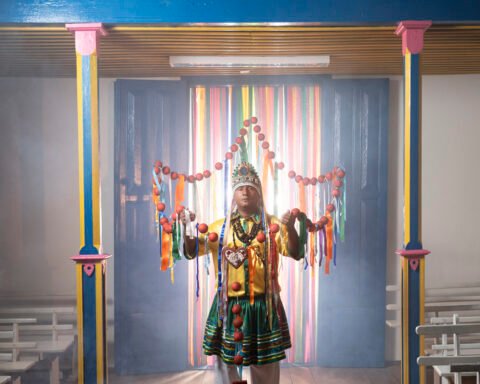
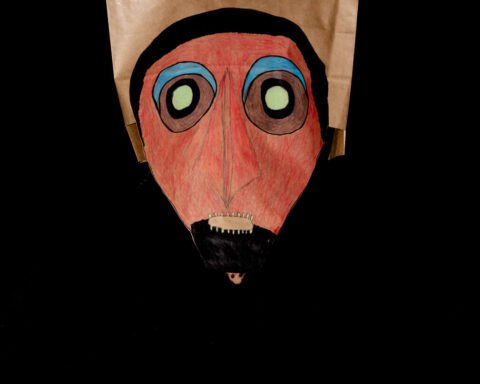
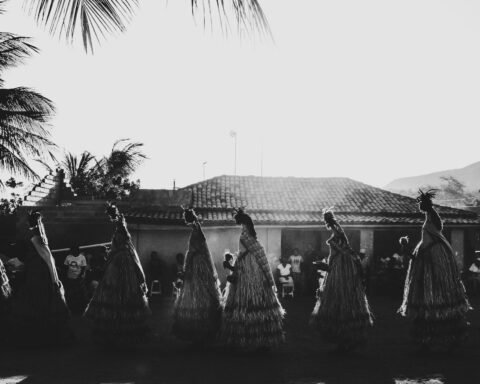
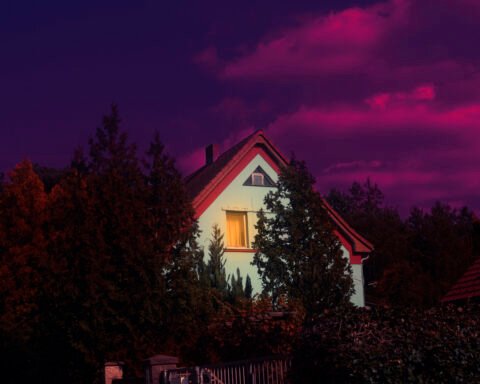
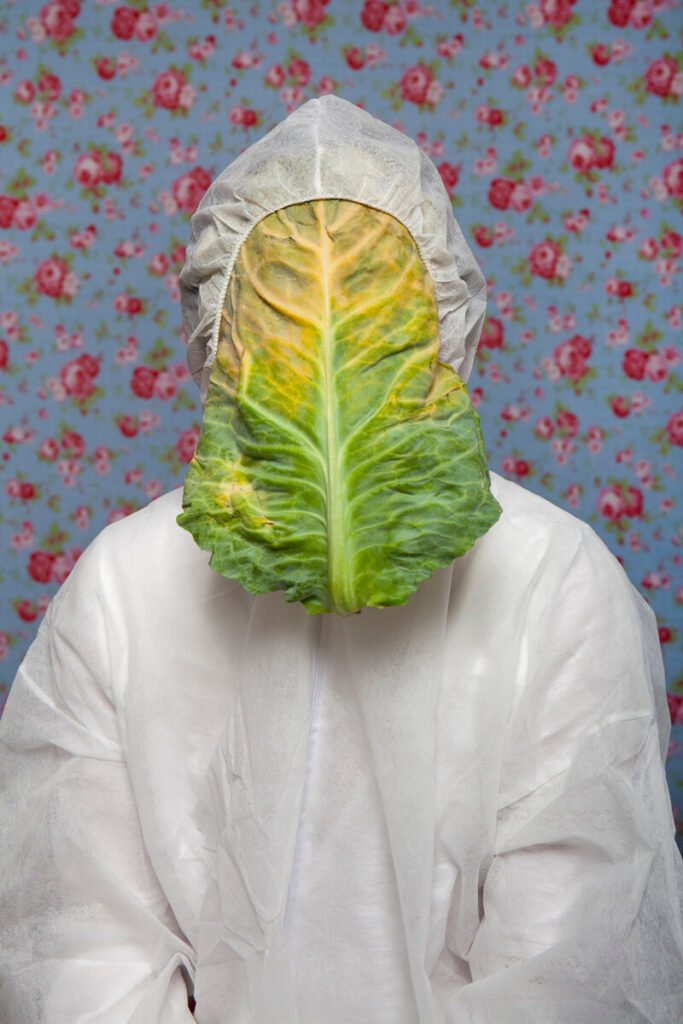
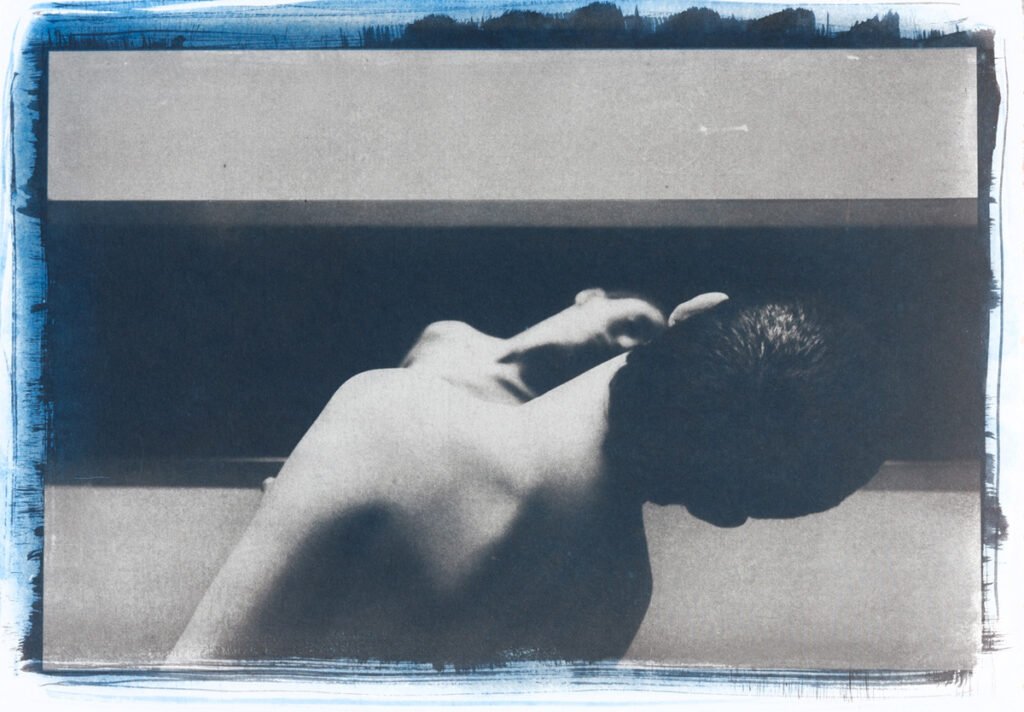
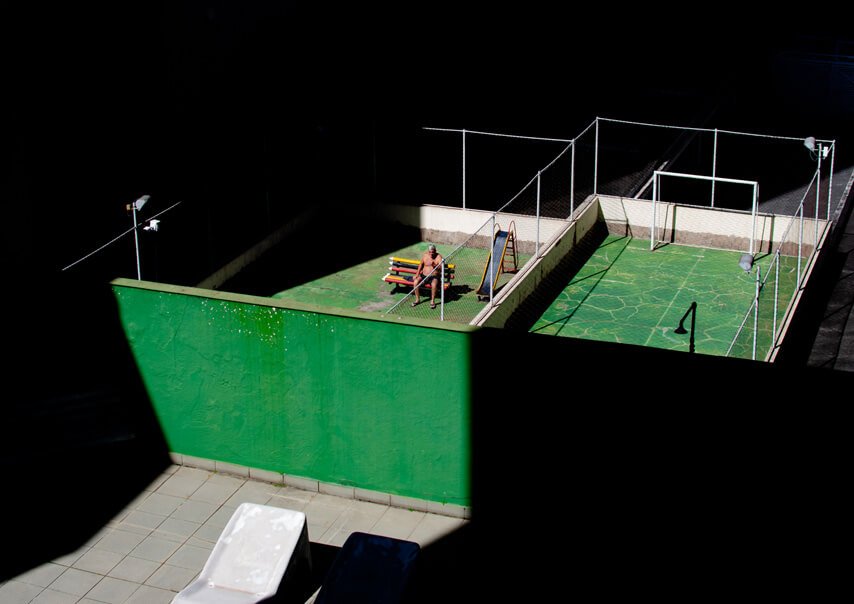
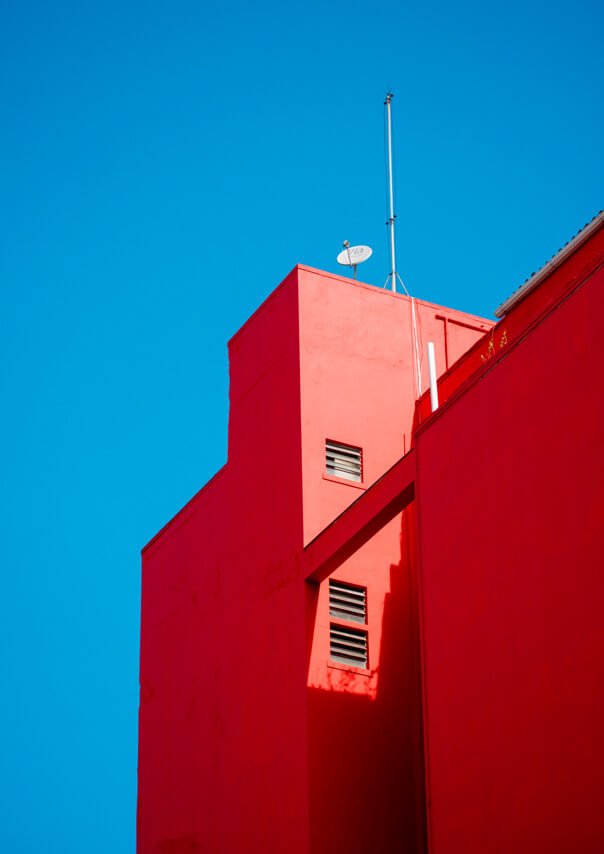
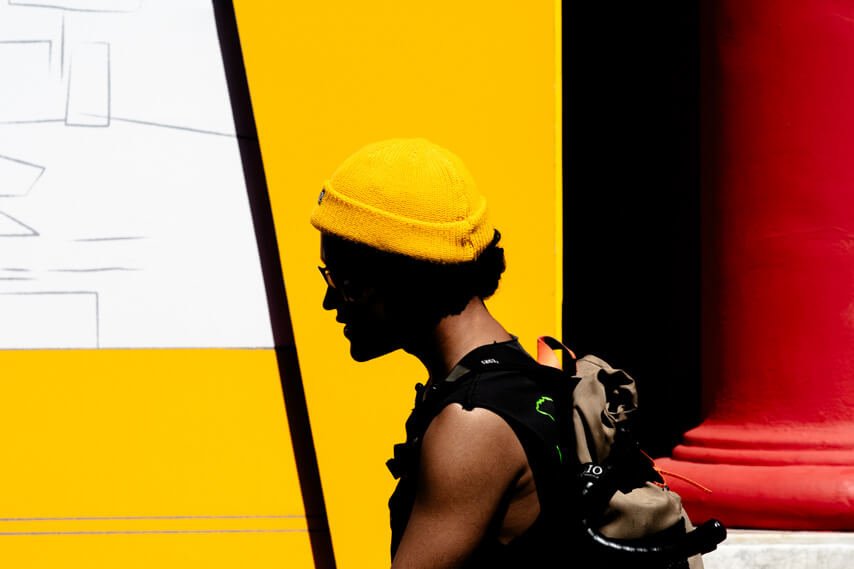
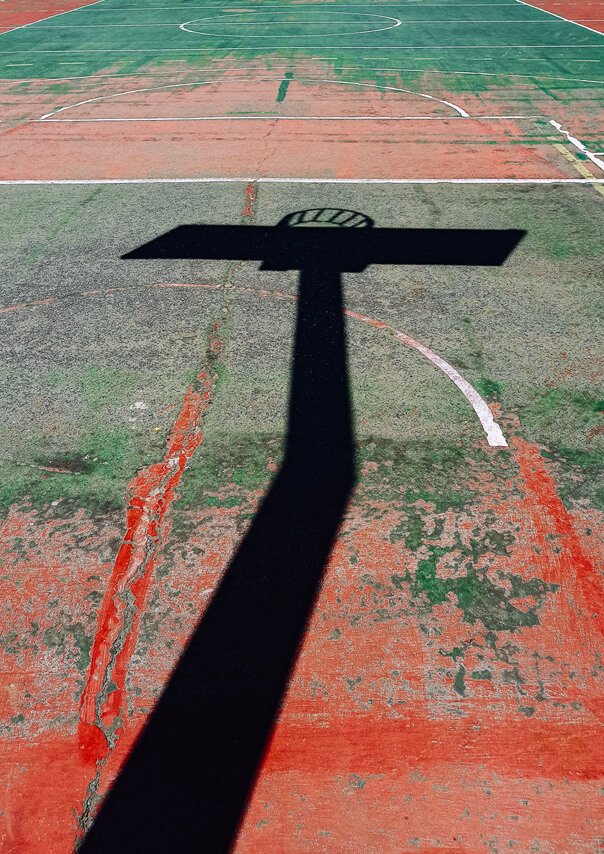
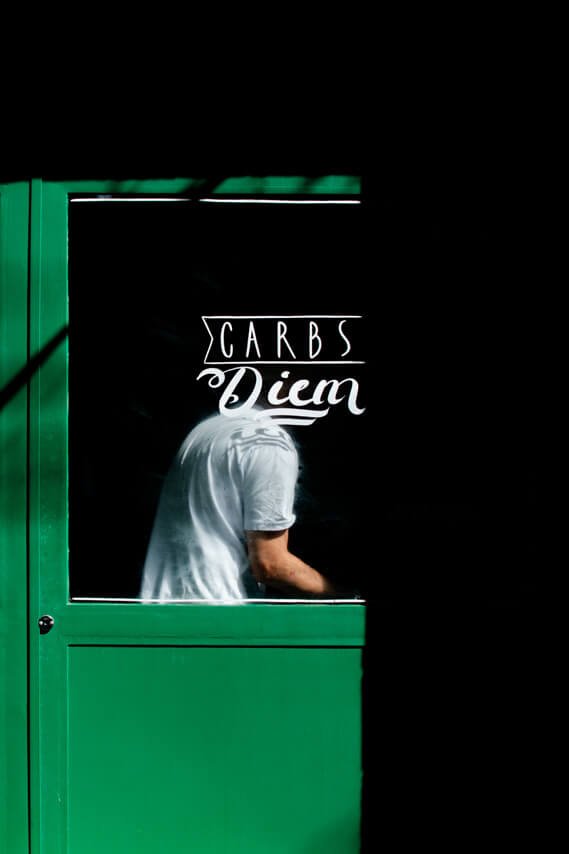
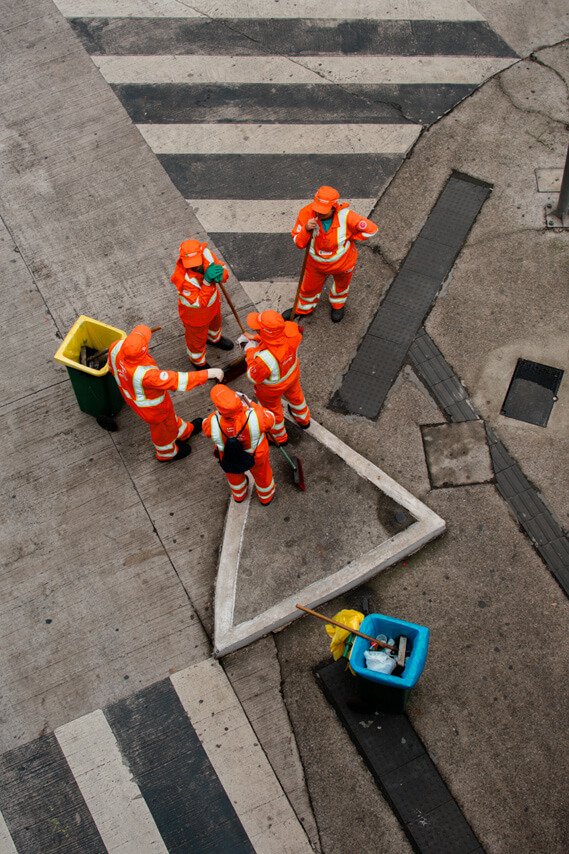
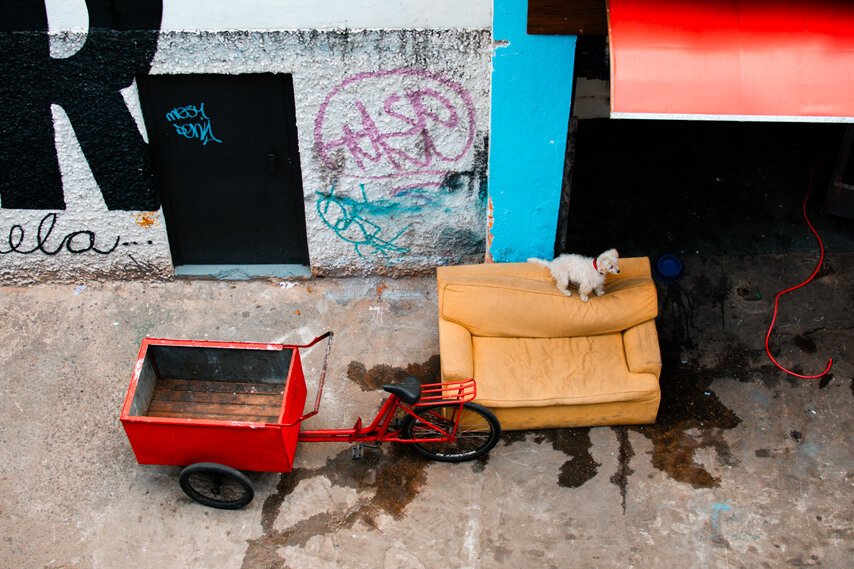
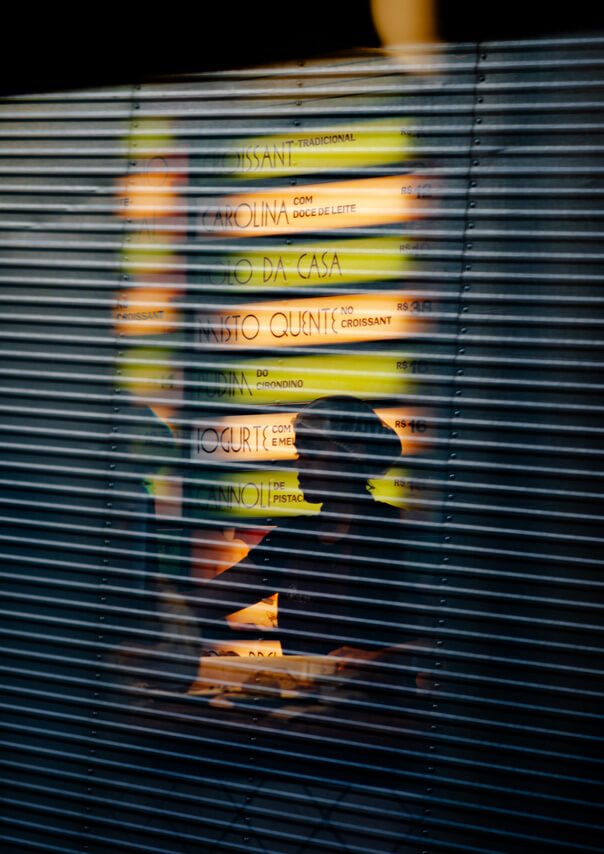
Photographer Rafa Rojas enters this last category. With minimal elements, your work achieves maximum visual efficiency. And all the elements that make up his images seem to have been made for those places, as if it were obvious, as if there was a single way of seeing that scene, as if those objects and those people existed in balance with each other under the action of unbreakable forces.
And when everything seems to point to a pre-existence of the framing, to something in potency that only awaited the photographer's gesture to exist in act, or even to a kind of deja-vu, the colors erupt and overflow, showing that the minimalism of Rojas is not dispassionate.
Sobre o fotógrafo:
rafa rojas é fotógrafo, curador e editor. É cofundador da revista Imagem Vertigem e atua em projetos editoriais independentes. Em 2025 colaborou na criação da exposição e fotozine BECO e atuou como jurado da Convocatória Mata Atlântica, promovida pelo MIS-SP.
Sobre o autor:
TW Jonas se dedica à fotografia de rua e ao Selo Vertigem, editora que criou no final de 2021 e pela qual tem lançado fotolivros, zines e revistas de fotografia. É coautor do livro A descoberta do segundo sexo (2018) e autor do livro Science is sexy (2019), ambos lançados pelo selo Gosto Duvidoso.